



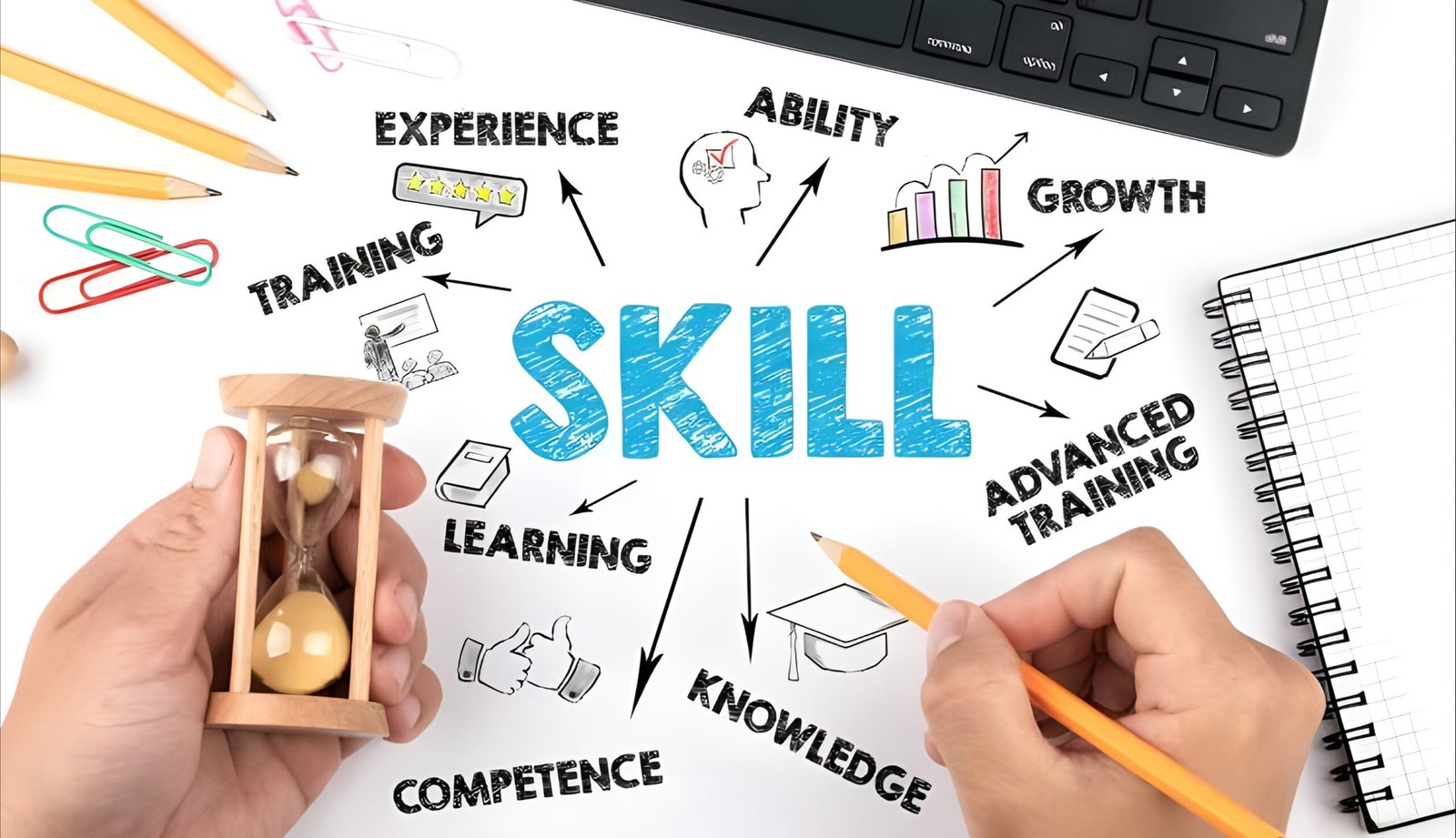
Skills-based education and micro-education (micro-credentials) offer flexible, accelerated learning aimed at acquiring specific workplace skills rather than broad theoretical knowledge. Focused on practical, hands-on applications, these models improve employability and speed up career entry, with micro-credentials often completed in weeks or months.
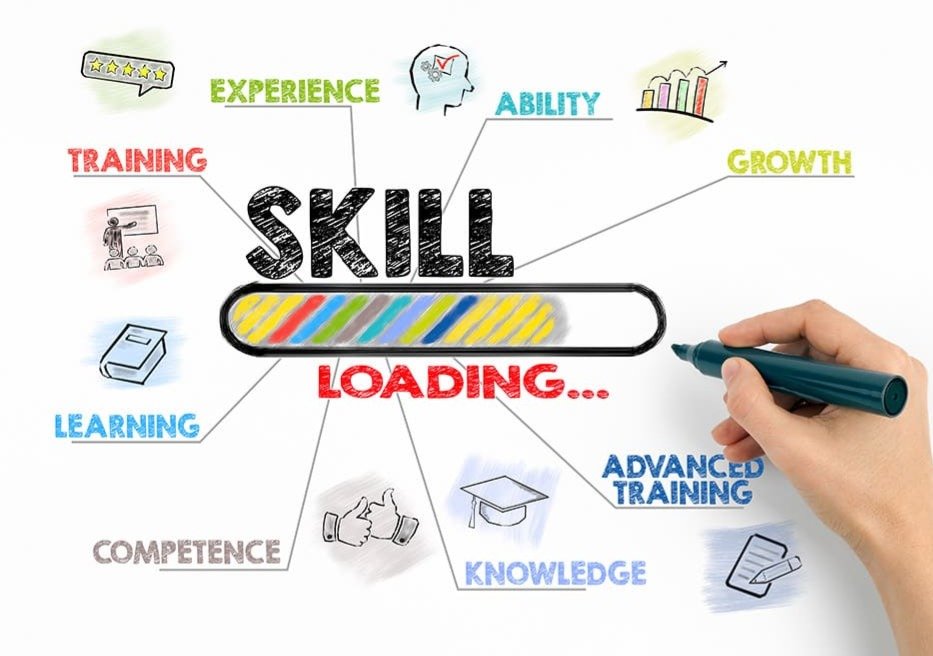
Key Features and Benefits of Skill-Based Learning
- Faster Job Entry & Higher Employability: By focusing on practical talents employers need, learners are job-ready faster.
- Flexibility & Accessibility: Many programs are offered online, allowing learning at the learner’s own pace.
- Improved Knowledge Retention: Short, focused sessions (micro-learning) help learners retain information better.
- Tailored Learning: Opportunities are tailored to individual career goals and needs, reducing unnecessary coursework.
- Cost Savings: Lower cost compared to traditional long-term degree programs.
- Lifelong Learning & Adaptability: Skills-based learning is crucial for adapting to the rapidly evolving 21st-century job market.
Micro-Education and Micro-Credentials
Micro-credentials are short, focused learning experiences that often provide certifications in specific areas
- Industry-Aligned: Often created in collaboration with industry needs.
- Versatile: Suitable for professional development (CPD).
- Accessible: Sometimes, this includes micro-teaching, a technique for educators to refine their skills through recorded sessions and feedback.
Comparison: Skill-Based vs. Traditional Education
- Skill-Based: Emphasizes hands-on, practical application and project-based learning.
- Traditional: Focuses on theoretical knowledge, memorization, and textbooks.
